

Words and Images by Jenny Lynn Davis
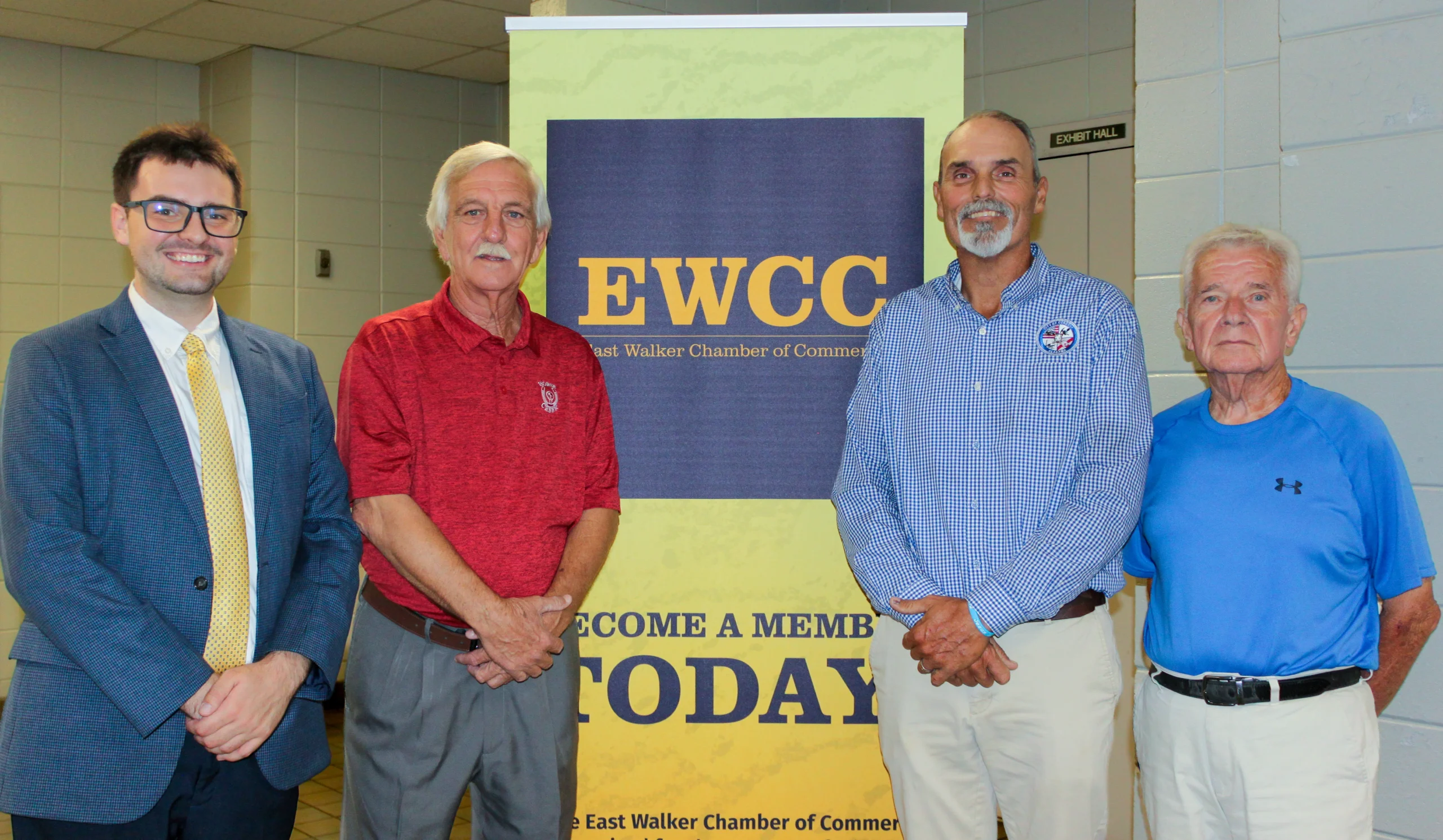
Cover image, pictured left to right: Nicholas Rizzo (East Walker Chamber of Commerce Executive Director), Marion Combs (Mayor of Dora), Jeremy Pate (Mayor of Cordova), Petey Ellis (Mayor of Sumiton)
Growth may look different in Dora, Cordova, and Sumiton, but leaders from all three East Walker communities say the foundation is largely the same: strong infrastructure, more housing, local investment and a willingness to prepare now for opportunities that may come later.
Mayors Marion Combs of Dora, Jeremy Pate of Cordova, and Petey Ellis of Sumiton shared updates from their respective cities during the East Walker Chamber of Commerce’s latest membership meeting, highlighting projects ranging from roads and utilities to recreation, housing, business development, and public safety.
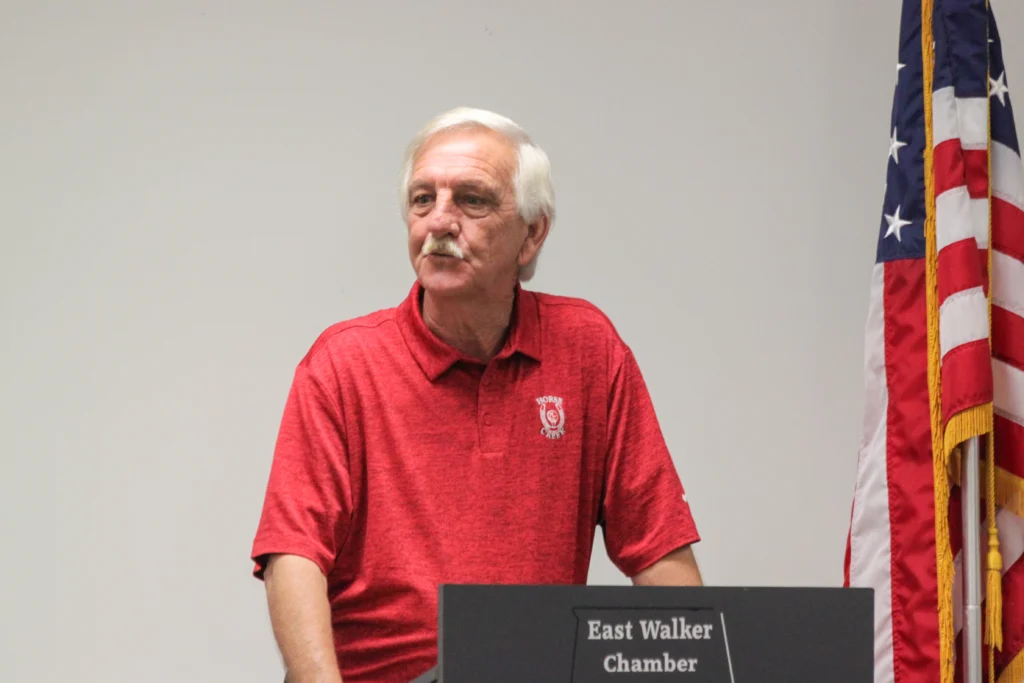
Combs, who served 28 years on the Dora City Council before becoming mayor, said his campaign centered on “focusing on the future,” a theme he said continues to guide the city.
“There’s a lot of economic development, and that is good for Dora,” Combs said.
He highlighted continued activity at the Dora Shopping Center, the anticipated arrival of Pizza Time, and improvements at Horse Creek Golf Course. Combs said the course is seeing more than 100 rounds of golf per day, bringing visitors who also spend money on food, fuel, and other services in the area.
He also praised the new Dora High School, particularly its theater and gymnasium, and paused his presentation for a moment of silence in memory of the three students recently lost by the school community.
Quality-of-life investments remain another priority. Combs said he plans to bring proposed updates for the city park before the council, emphasizing restoring and improving facilities for youth baseball and softball.
“Our kids are our future,” he said. “I think we need to invest in our children.”
Combs also pointed to the Alabama Mining Museum and Horse Creek Golf Course as assets that draw people into the community.
On the economic development front, he described Love’s Travel Center as “a shot in the arm” for the area and praised Drummond Company’s continued investment near Dora. Heritage Landing, Drummond’s 50-acre multipurpose development along Interstate 22 at Exit 78, is being positioned for future retail, commercial, and industrial development.
Combs said preparing the city’s infrastructure for that future growth is essential. Dora has received a $1 million grant toward a 250,000-gallon water tank in the area, a project that will require a matching $1 million investment from the city.
“The city needs to be ready,” Combs said. “That’s my vision for Dora – to be ready for it.”
Housing, he added, is another critical piece of that preparation. Combs said the city is working with a developer and landowner on a subdivision that could add approximately 68 homes.
“We can grow, but people have to have a place to live,” he said. “We’ve got a lot of the other things we need – groceries, gas, schools – but we’ve got to have houses.”
For Pate, now in his second term as Cordova’s mayor, nearly every piece of the city’s redevelopment strategy comes back to infrastructure.
“If you’ve got failing infrastructure, you’re not going very far, very fast,” he said.
Pate said Cordova has secured $6.4 million for road improvements, with roughly $3.3 million already spent and about $3 million remaining for the project. The federal RAISE Grant behind the effort is expected to repair or repave nearly 90 percent of Cordova’s roads, marking one of the city’s most extensive road improvement efforts in decades.
The road project is only one part of a much larger infrastructure push.
Cordova also secured approximately $5.5 million for improvements to its wastewater plant, including the addition of a screw press and a septic receiving station. Pate said the receiving station will provide another revenue source by allowing septic waste from outside the city to be processed at the plant.
Another $2.8 million grant has been used to modernize Cordova’s gas system. Pate said the city has removed its cast-iron gas lines and replaced them with plastic lines, along with new services and meter sets throughout the system. The project is nearing completion.
Together, those major road, wastewater, and gas investments total approximately $14.7 million in infrastructure improvements, positioning the city for future development.
“We’ve decided that we’re going to invest in ourselves,” Pate said. “We need to invest in Cordova if we expect people to invest in Cordova.”
That investment is increasingly visible downtown.
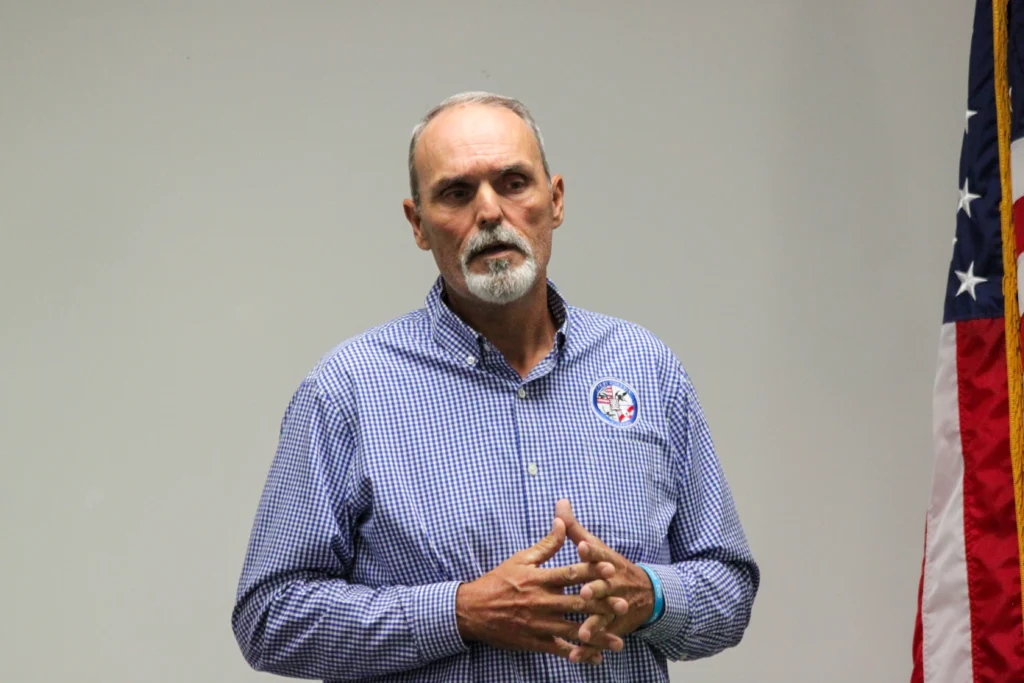
Pate highlighted the rehabilitation of previously unused buildings, including one now housing Cordova Family Care. Another long-vacant downtown building has been renovated for multiple businesses, including a nail salon and hardware store, with additional tenants expected.
He also pointed to Cane Creek Camp and Tackle and camping opportunities near the kayak launch at Disney Lake, the opening of Legendary Kutz Barber Shop, and another building being developed for a bakery, coffee, and ice cream business as examples of efforts to pair redevelopment with both local entrepreneurship and quality-of-life amenities.
Despite that progress, Pate echoed Combs in identifying housing as one of the region’s most significant challenges.
Cordova lost approximately 50 homes during the devastating 2011 tornadoes, Pate said, and only a small number were rebuilt. The city recently saw construction begin on its first new privately funded house in years – a step Pate hopes will encourage others to follow.
“When I came in, I said, ‘We haven’t done anything until we get somebody to spend their own money,’” he said.
Pate also announced a new workforce component through an AmeriCorps grant. The program is expected to provide seven full-time positions devoted to outdoor work within the city, including mowing, cleanup and construction projects. It will also support 12 part-time summer positions.
Pate said his existing summer work program has employed more than 110 high school students over the past six years. Under the new program, participants will receive both a stipend and an education award after completing their service.
The added manpower is particularly valuable for a small municipality with more work than its budget can otherwise support, he said.
Pate closed by encouraging Chamber members to visit Cordova and support its businesses.
“We need our own tax money,” he said. “We’re never going to turn tax dollars down, but we welcome you to come visit, see what we’ve got going on and hopefully give a good report about how everything is going.”
Ellis brought the perspective of more than three decades in office to the conversation.
“I’ve been mayor since 1992,” he said. “I’ve been very fortunate, and we’ve come a long way. We’ve made a lot of progress over the years, and I’m thankful for that.”
Among Sumiton’s current projects, Ellis highlighted continued investment in recreational facilities and a $400,000 grant project for sewer and paving improvements on the west side of the city near its new shooting range. Bids for that project are expected to open in the coming weeks.
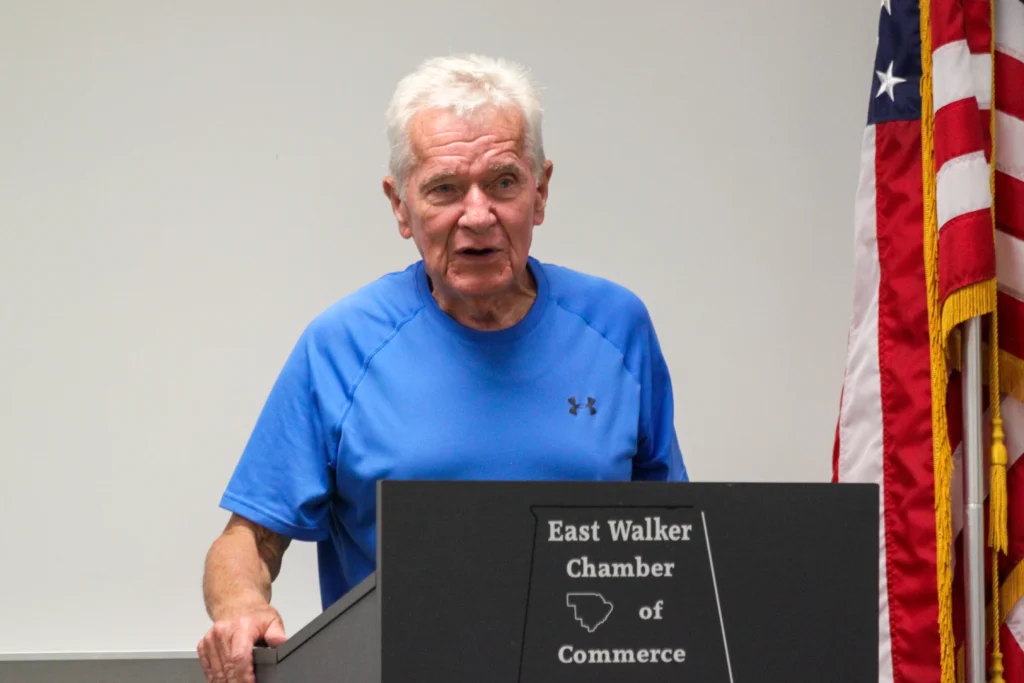
He also announced a significant public safety investment: Sumiton firefighters were in Michigan during the meeting, picking up a new fire truck valued at approximately $1 million.
Ellis tied the purchase to the city’s strong fire protection and insurance rating, which he described as the best rating available to a community Sumiton’s size.
He also reflected on the commercial growth Sumiton has experienced over the years, crediting Walmart’s arrival as an important turning point for the city and expressing appreciation for businesses and families that have continued investing in the community.
As the meeting moved into discussion, Alabama House of Representatives District 13 nominee Mike Elliott (R-Jasper) praised the vision he has seen from the mayors and Cordova Economic Development Director Renee Sides, saying he believes significant opportunities are ahead for East Walker County.
“There are a lot of things that are going to happen here in East Walker that are really going to make Walker County boom,” Elliott said.
Some prospective developments, he said, are not yet ready to be publicly discussed, but he expressed optimism about their potential to boost the economy and generate additional tax revenue.
Elliott also returned to the theme that ran throughout the mayors’ presentations: communities have to prepare for development before they can expect it to arrive.
“You’ve got to have that stuff completed before businesses want to come in here,” he said of infrastructure. “They don’t want you to say, ‘Y’all come, and then we’ll get the infrastructure.’ You’ve got to already have all the I’s dotted and the T’s crossed before they come in.”
He commended the three mayors for their willingness to work together toward a stronger region.
“They do have a big heart, a big vision, and they’re working together to make East Walker prosperous,” Elliott said.
East Walker Chamber of Commerce President Hezekiah Walker closed the program by emphasizing the Chamber’s role in that effort.
For cities to continue improving infrastructure and services without placing the entire burden on existing residents, Walker said, the region needs to continue attracting businesses and expanding its tax base.
“We, as a chamber, have got to realize that in order for the cities to be successful, everything has a price,” he said. “At the chamber, we need to try to get more people, more businesses and more companies out here so the average citizen doesn’t have to foot that bill.”
He encouraged each city to view the East Walker Chamber as a partner as they pursue their plans for the future. WL